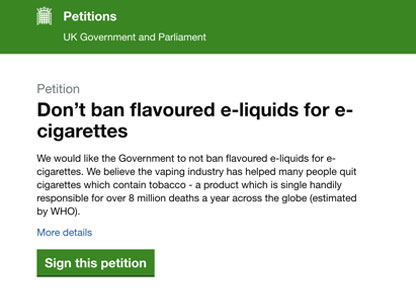
- A WHO-backed analysis found teenagers were more likely to use non-combustible nicotine products than cigarettes in 31 of 57 countries studied
- Public health authorities say vaping is substantially less harmful than smoking, because it avoids tobacco combustion
- Long-term projections show teen cigarette smoking continuing to decline, while vape use is expected to stabilise
- National data from countries such as France suggest overall nicotine use is not rising sharply, as smoking falls faster than vaping increases
Teenage nicotine use is increasingly shifting away from cigarettes and towards non-combustible products, according to a large international study that tracks smoking and vaping trends across more than 50 countries.
The research, published in the Journal of Korean Medical Science, analysed data from the World Health Organisation’s Global Youth Tobacco Survey (GYTS) covering 173,658 adolescents aged 13 to 15 in 57 countries and territories between 2014 and 2021.
In 31 of the 57 countries, teenagers were more likely to report using non-combustible nicotine products – measured in the survey through questions about vape use – than smoking combustible cigarettes.
Researchers said the findings reflect a changing pattern of youth nicotine use, with cigarettes becoming less common and alternative products accounting for a greater share of reported use.
Smoking down, substitution up
The study examined past-30-day use of both cigarettes and non-combustible nicotine products, allowing comparisons between smoking and vaping prevalence across countries, income levels and regulatory environments.
When results were pooled across all countries, overall prevalence of cigarette smoking and vaping among adolescents was similar over the full 2014 to 2021 period. However, trend analysis showed that cigarette smoking did not increase, while vape use rose modestly over time, particularly among male adolescents.
Importantly, the researchers’ long-term modelling suggests that teen cigarette smoking is likely to continue declining, while vape use is expected to remain relatively stable rather than increasing indefinitely.
The authors noted that more than half of the countries studied now report higher prevalence of non-combustible nicotine use than cigarette smoking among adolescents.
Why combustion matters
Health authorities increasingly distinguish between nicotine use itself and the harms caused by burning tobacco.
Combustible cigarettes expose users to smoke containing thousands of toxic chemicals created during combustion. Vapes, by contrast, deliver nicotine without burning tobacco.
In the UK, the Health Security Agency has stated that vaping is “substantially less harmful than smoking”, while the NHS says vaping “carries a small fraction of the risk of smoking”, even though it is not risk-free.
This distinction underpins harm-reduction approaches that prioritise reducing cigarette smoking – the form of nicotine use associated with the greatest health risks – while continuing efforts to prevent uptake among children and non-smokers.
Is overall nicotine use increasing?
Concerns about youth vaping often focus on the possibility that it could drive a large rise in overall nicotine use among young people.
However, population-level data from several countries suggest that this has not occurred at scale, particularly where smoking rates are falling.
France provides a recent example. National health surveillance data show that daily smoking among adults fell sharply between 2021 and 2024, while daily vaping remained broadly stable over the same period.
Among daily vapers in France:
- 49.5 per cent were former smokers
- 47.7 per cent were dual users
- 2.8 per cent had never smoked
Over the same period, France reported a 24 per cent decline in tobacco sales, alongside a 29 per cent increase in pharmacy sales of stop-smoking treatments.
While these figures relate to adults rather than teenagers, they are often cited by researchers as evidence that vaping is largely concentrated among people with a smoking history, rather than creating widespread new nicotine use.
What the study does and does not say
The authors of the global study did not assess addiction severity or long-term health effects, and they acknowledged several limitations, including reliance on self-reported survey data and incomplete coverage for some countries and years.
They also emphasised that the survey captures school-attending adolescents and may not reflect behaviours among all young people.
Nevertheless, the researchers described the dataset as one of the most comprehensive global sources available for tracking youth smoking and vaping trends.
Their analysis suggests that, while non-combustible nicotine use among adolescents has increased in some settings, this has occurred alongside – and not instead of – continued declines in cigarette smoking.
Implications for tobacco control
The findings highlight the challenge facing policymakers. This is reducing youth nicotine use while sustaining progress in lowering smoking rates.
Public health agencies that support harm-reduction approaches continue to stress that vapes are intended as lower-risk alternatives for people who would otherwise smoke, not products for children.
At the same time, the global data suggest that fears of a rapidly expanding youth nicotine epidemic may not align with observed trends, particularly where cigarette smoking continues to fall.
Taken together, the evidence points to a shift in the form of nicotine use rather than a sharp rise in overall use, with cigarette smoking, the most harmful behaviour, continuing to move in the opposite direction.