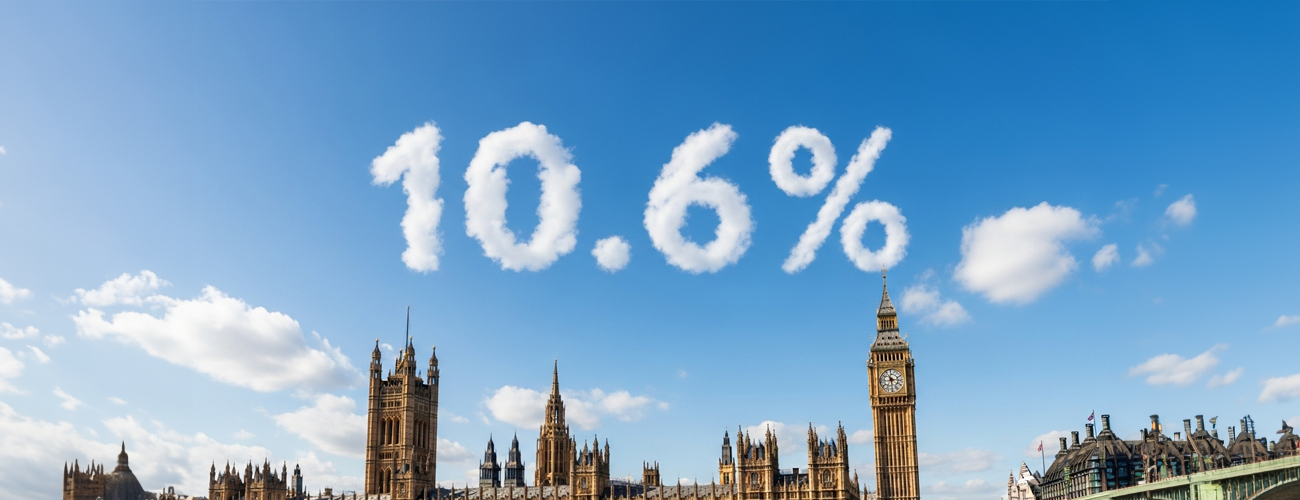
- The share of UK adults who smoke has fallen to 10.6 per cent, the lowest since records began in 2011.
- Among 18 to 24-year-olds, smoking has dropped dramatically from 25.7 per cent in 2011 to 8.1 per cent in 2024.
- Vaping use has overtaken smoking for the first time, with 10 per cent of adults in Great Britain now using vapes daily or occasionally.
- The data suggest vaping is contributing to falling smoking rates, as millions of smokers move away from tobacco.
Smoking rates in the UK have reached an all-time low, while vaping has overtaken traditional cigarettes for the first time, according to new figures from the Office for National Statistics (ONS).
In 2024, 10.6 per cent of adults aged 18 and over – around 5.3 million people – were current smokers, the lowest proportion since records began in 2011. The ONS report, ‘Adult smoking habits in the UK: 2024’, shows a continuing long-term decline in smoking across all age groups, with the sharpest drop among younger adults.
Those aged 18 to 24 have seen smoking rates fall from 25.7 per cent in 2011 to just 8.1 per cent in 2024, a reduction of 17.6 percentage points. The ONS notes that the 25 to 34 age group continues to have the highest proportion of smokers, at 12.6 per cent, but even here the rate is steadily falling year on year.
The trend coincides with a rise in vaping. In Great Britain, around 5.4 million adults aged 16 and over – 10 per cent – use vapes either daily or occasionally, overtaking the estimated 4.9 million current smokers (9.1 per cent) for the first time.
Vaping up, smoking down
The ONS data suggests a clear pattern: as vaping use has climbed, cigarette smoking has fallen. The proportion of people who have quit smoking rose to 74.2 per cent in 2024, up from 70.9 per cent the previous year, and the number of people who have never smoked continues to grow.
Vaping remains most popular among younger adults, though daily use is now highest among those aged 25 to 49. The ONS found that 13 per cent of 16 to 24-year-olds used vapes daily or occasionally in 2024 – slightly down from 15.8 per cent in 2023 – while daily use was highest among those aged 25 to 34 (9.3 per cent) and 35 to 49 (9.5 per cent), both up from the previous year.
Gender differences were also evident. Among men, vape use fell slightly from 11.0 per cent in 2023 to 10.1 per cent in 2024, while among women it rose from 8.5 per cent to 10 per cent. This shift means men and women now report similar levels of vaping for the first time.
The ONS said that “the percentage of e-cigarette users have overtaken current smokers for the first time in Great Britain in 2024,” highlighting a milestone moment in the country’s changing nicotine landscape.
A changing picture of nicotine use
While vaping has been the subject of political debate, particularly around youth use, the data indicates that it is playing a major role in reducing smoking prevalence among adults. The report found that current and ex-smokers were far more likely to vape than those who had never smoked.
In 2024, 32.8 per cent of current smokers and 20.8 per cent of ex-smokers said they used vapes, compared with just 2.7 per cent of people who had never smoked. Around 450,000 people who had never smoked now use vapes daily, up slightly from 400,000 the year before.
The ONS data also shows that over half of current smokers (56.2 per cent) intended to quit, with nearly a quarter (24.4 per cent) planning to do so within the next three months. Those intending to quit were more likely to delay their first cigarette of the day – a behavioural marker associated with lower nicotine dependence.
Progress toward a smoke-free generation
The government’s goal of a “smoke-free England” – defined as five per cent or fewer adults smoking by 2030 – appears to be inching closer. The ONS figures confirm that all four UK nations have continued to see smoking rates fall.
In 2024, the percentage of adult smokers was 10.4 per cent in England, 11.4 per cent in Wales, 12 per cent in Scotland and 10.5 per cent in Northern Ireland.
The ONS also highlights ongoing social and economic disparities in smoking. In 2024, 18.8 per cent of people in “routine and manual” occupations smoked, compared with just 6.5 per cent in “managerial and professional” roles.
Among those with no qualifications, smoking prevalence was 25.5 per cent, compared with 5.1 per cent among degree holders.
Nonetheless, the overall direction is clear. The UK’s smoking rate has about halved since 2011, and for the first time, more adults are vaping than smoking.
As the ONS notes, the data from both the Annual Population Survey and the Opinions and Lifestyle Survey provide consistent evidence of a steady decline in tobacco use, and an apparent shift toward vaping as a lower-risk alternative.
With countries around the world watching the UK’s progress, the findings strengthen the case that vaping can be an effective tool in tobacco harm reduction, and a key driver in the ongoing fall of cigarette smoking.
Source: Office for National Statistics, “Adult smoking habits in the UK: 2024,” released 4 November 2025.