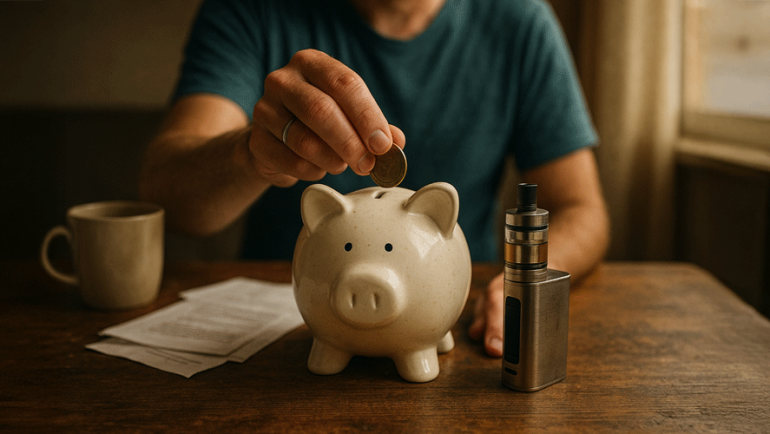
Bangladesh has implemented a strict ban on all imports of vapes and nicotine pouches.
“It is necessary to take urgent measures to ban these products and ensure the public health and safety of future generations,” the Ministry of Health and Family Welfare said.
As there are no domestic vape or pouch manufacturers in Bangladesh, the new legislation is in effect an outright ban on the products.
Meanwhile, British American Tobacco (BAT) – which has a massive 70 per cent market share of the tobacco industry in the country – has announced it is expanding its production facilities there.
Depriving smokers of less harmful alternative
The new amendment to the Smoking and Using of Tobacco Products (Control) Act was proposed at a cabinet meeting in December by the country’s Health Services Division, and passed on January 7 by the Ministry of Commerce.
It has been made law despite vape import trade groups urging the government to reconsider. They warned the move would deprive adult smokers of a far less harmful alternative to deadly smoking and negatively impact the economy.
Bangladesh’s long-standing prime minister Sheikh Hasina – who was forced to step down in December – first announced the government’s intention to ban vapes in 2021, in “partnership” with the Campaign for Tobacco-Free Kids. The law was endorsed in December by the current temporary government led by Muhammad Yunus.
Growing demand for cigarettes
In the same month, tobacco giant BAT announced it will invest TK284 million (€2.28 million) in Bangladesh to meet the ‘growing demand for cigarettes’.
In a stock exchange filing on December 19, BAT said its board had approved the capital investment decision at a meeting the day before.
“The investment will be made through internal sources and bank financing based on the cash flow of the company,” it confirmed.
BAT Bangladesh has already invested more than TK12 billion (€96 million) in phases over the past four years to boost its production capacity. Its net sales grew by 9.6 per cent year-on-year to TK20.51 billion (€165 million) in the July to September quarter last year.
In Bangladesh, 35.5 per cent of people 15 years and older consume tobacco, killing an estimated 126,000 people per year. This makes it the ninth biggest tobacco-consuming country in the world. While very few Bangladeshi women smoke, the rate is about 40 percent among men.
Harm reduction more successful at cutting smoking
Evidence from countries such as Sweden and New Zealand shows this death toll could be greatly reduced if low-risk smokeless tobacco and nicotine products – like vapes, snus and nicotine pouches – were regulated and encouraged as a safer alternative for adult smokers.
Opposing the ban in Bangladesh, Michael Landl, Director of the World Vapers’ Alliance, said: “Countries that have adopted open approaches to harm reduction have seen remarkable success: Sweden and New Zealand have achieved near smoke-free status with record-low smoking rates, serving as prime examples of effective tobacco harm reduction strategies.
“On the flip side, countries with strict bans have faced severe consequences: Australia, with its de facto ban on vaping, has experienced a surge in black market activity and even “tobacco wars,” including 200 fire-bombings between rival gangs.”