
Australia’s aggressive tobacco and vaping taxes have created a $5 billion (€2.8 billion) illicit market, which experts have branded “the worst example of bad policy in the world.”
Instead of reducing harm, the clampdown has pushed smokers and vapers towards unregulated products, fuelling crime and stripping billions from the country’s Treasury.
Here are five ways the strategy has backfired.
1. A gift to organised crime
“Every scrap of evidence from around the world is, the longer a black market is in place, the harder it is to stop it,” said economist Chris Richardson.
“We have offered the most rolled gold opportunity for organised crime that I can think of in Australian history. It’s a failure on health, it’s a failure on tax collections, it’s a failure on the fight against organised crime.”
Illicit tobacco now accounts for up to 40 per cent of sales, while black market vapes flood convenience stores across the country.
2. Criminal violence
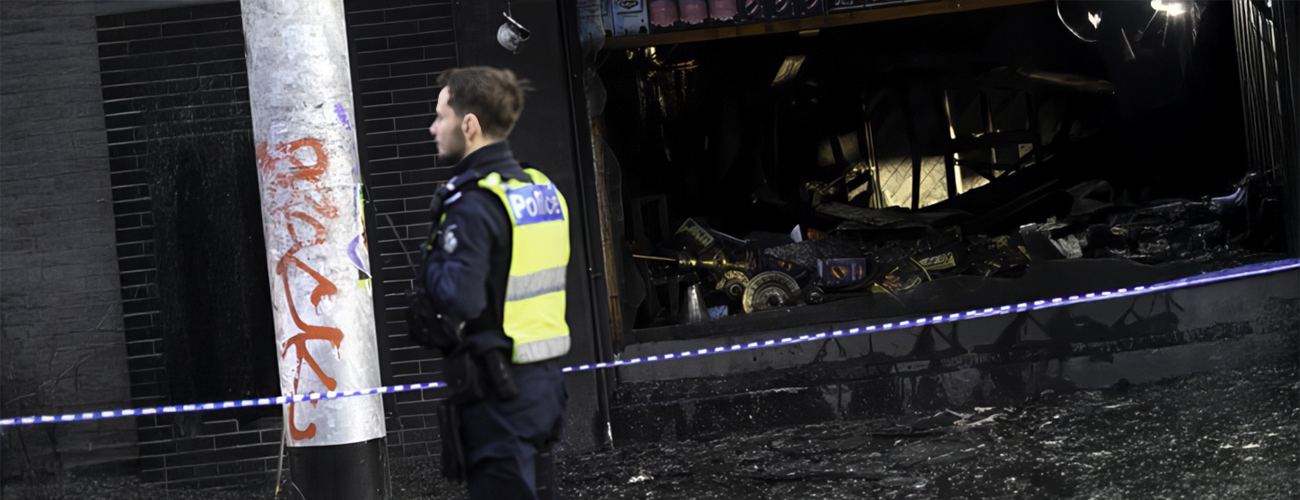
The illegal trade has sparked more than 150 firebombings in the past two years, leaving at least two people dead. Police Federation of Australia chief executive Scott Weber said: “Because the policies and the taxation on tobacco [have] caused people to actually go to an alternative market, a black market, now it is actually a major revenue stream for organised crime, where they’re making so much money out of it, where it’s where it leads into other violent and associated crimes.”
3. Tax revenues collapsing
Despite excise increases that push legal packs to $35-$50 (€19.7-€28), compared with $13-$18 (€7.3-€10) on the black market, the tax take has plunged. Treasury has cut forecasts by nearly $7 billion (€4 billion). New South Wales Premier Chris Minns said: “Taxing rates have increased; they haven’t decreased. This would be the only tax in the world where it’s doubled, but the rate of revenue collection has halved over the same period of time. Something’s obviously happening here.
“It’s being replaced with illegal tobacco, and unfortunately it’s drawing in millions of Australians who’ve got nothing to do with organised crime or the illicit black market, but because of their addiction are being drawn to it.”
4. Vaping bans fuelling demand
Alongside tobacco taxes, Australia’s prescription-only model for nicotine vapes has created another illicit stream. Queensland Health Minister Tim Nicholls said: “The size and scale of the tobacco and vape black market in Queensland is very concerning.. we’re taking enforcement action against illicit goods that have been successfully smuggled into the country.”
5. Warnings ignored
Rohan Pike, former head of the Australian Border Force Tobacco Strike Team, said Australia’s approach was among the “worst examples” globally.
“This isn’t just a problem we see with the power of retrospect, there was plenty of foresight,” he said. “A tax policy like that is a pseudo prohibition.. Had a serious enforcement effort been conducted and planned 10 years ago, it may have had some effect, but now the market is so entrenched, the criminal supply chains are so entrenched it’s difficult to reverse that. I would suggest it’s impossible to reverse it.”