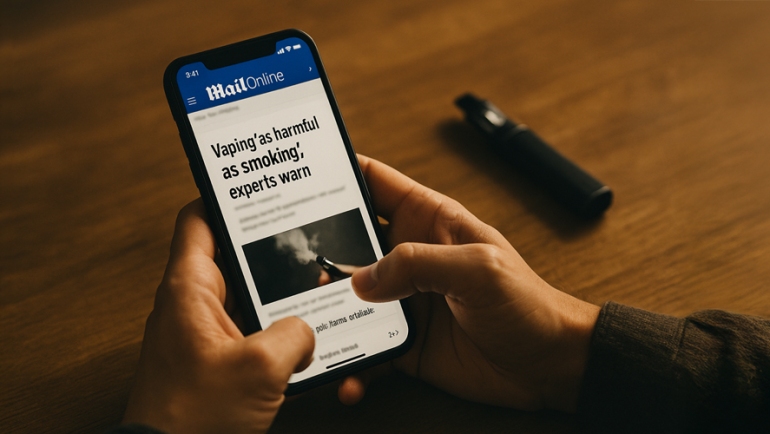
Spain has made “no progress in the fight against smoking” and should switch to Sweden’s more effective approach, a leading psychologist has warned.
Karl Fagerström, clinical psychologist and creator of the widely-used nicotine dependence test, said Spain’s current prohibitive strategy is likely to “keep the number of smokers high.”
Fagerström made the comments in response to Spain’s plans to ban disposable vapes and all flavours except tobacco and menthol, as well as nicotine pouches.
The ban is part of a new ‘Anti-Tobacco Plan,’ which aims to limit products that cause a risk to young people’s health and are a ‘gateway’ to smoking.
Talking at a conference of international tobacco harm reduction experts titled ‘Advances in the tobacco struggle: Spain vs. international experiences,’ Fagerström said the new laws are likely to cause more harm than good.
‘Spain should switch to Sweden’s approach’
Instead, he joined other health experts in advocating for the more regulatory approach of Sweden.
Sweden’s use of nicotine alternatives such as vapes, snus and pouches, has been key to reducing its smoking rate to only 4.5 per cent – below the World Health Organisation’s threshold for being officially “smoke-free.”
Fagerström joined cardiologist Konstantinos Farsalinos and oncological surgeon Fernando Fernández Bueno in expressing concern for nicotine alternatives being treated on a par with far more harmful cigarettes.
While they welcomed increased taxes and generic packaging on conventional tobacco, they said science does not support a similar approach for nicotine alternatives.
A ‘de facto prohibition’
The experts said the bans placed on vapes and pouches amount to a “de facto prohibition,” as severely limiting nicotine strength and flavours makes the products far less effective.
“This de facto ban is a serious mistake in terms of health,” said Bueno. “..science has shown that both products are substantially less harmful, and contribute to smoking cessation.”
Meanwhile, he said Sweden’s model has not only reduced smoking, it’s also had a positive impact on the country’s health.
A report by global health organisation Smoke Free Sweden reveals that, despite having a nicotine consumption level similar to the European average, it records a 41 per cent lower incidence of lung cancer and half the tobacco-related deaths of other surrounding countries.
Other countries seeing success
The doctors also cited other countries including Iceland, Norway and the UK, which have incorporated nicotine alternatives into their public health strategy.
In the UK, health officials have been handing out free vapes as part of a successful ‘Swap to Stop’ campaign. The smoking rate there has fallen to 12 per cent, which is 13 per cent below Spain’s.
The doctors also expressed concern that consumers in Spain will simply switch to buying from the black market.
Farsalinos said that far from protecting people, the restrictions would encourage unregulated and unsafe parallel markets, making it even harder to move away from tobacco.
The experts highlighted that not all smokers manage to quit using traditional methods. Therefore, they said, offering safer alternatives must be a central part of any anti-smoking strategy if it is going to be effective.