


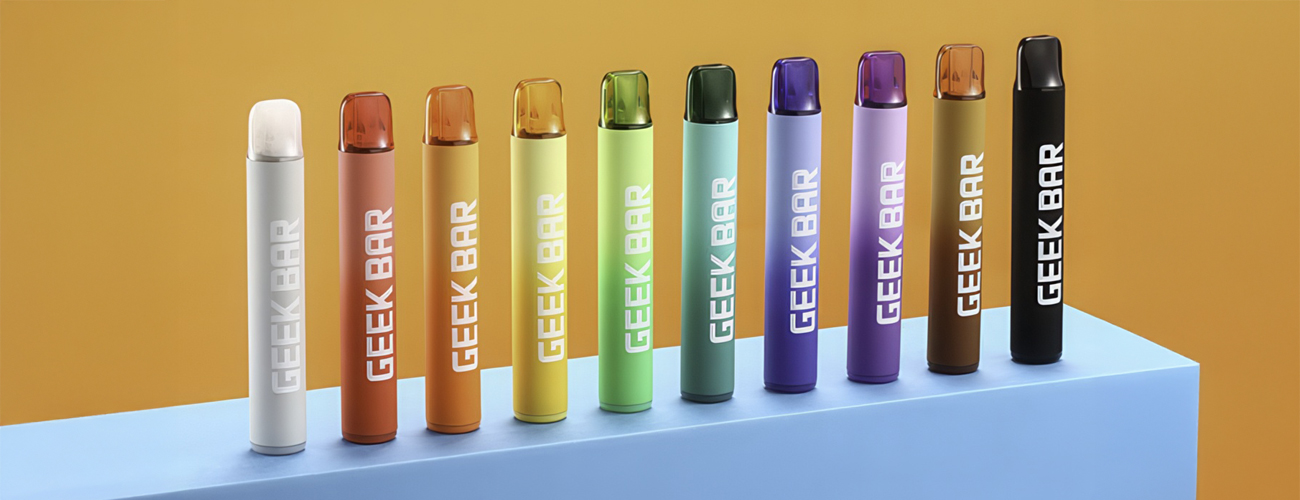
A sudden collapse in vape imports from China to the U.S. has triggered stock shortages, price hikes and panic buying.
It follows steep tariffs imposed by President Donald Trump and an intensified federal crackdown on unauthorised vapes.
Between May 1 and May 28, just 71 shipments labelled as vapes arrived from China, compared to nearly 1,200 in the same period last year, according to data from the U.S. Food and Drug Administration (FDA).
The drop follows months of steady decline, with imports down between 40 per cent and 60 per cent from February to April.
Disposable vapes disappearing from shelves
Much of the shortfall is in flavoured disposable vapes. Geek Bar, a hugely popular brand despite lacking U.S. authorisation, has nearly vanished from stores after previously flooding the market through weak import controls.
“One of the store’s vape suppliers normally receives 100 boxes of Geek Bar vapes per week, but is now getting just ten,” a U.S. retailer said. “There were a lot of supply chain issues during COVID-19,” the person added. “But I’ve never seen this.”
A notice seen by news agency Reuters from one U.S. supplier cited “tariff-related price increases and limited market availability” as the reason for rationing sales to just five boxes at a time.

Source: Reuters
Tariffs and seizures drive disruption
The chaos stems largely from tariffs on Chinese goods – reimposed by Trump when he took office, peaking at 145 per cent in April and currently sitting at 30 per cent. At the same time, U.S. authorities have ramped up enforcement, including a major seizure of unauthorised vapes in Chicago in February.
“Due to increased tariffs, rising production costs, and reduced supply chain capacity, the manufacturer has informed us that they will be reducing supply volume in the near-term,” one U.S. regional Geek Bar wholesaler wrote to customers in April.
Distributors say the result has been panic buying, rising shipping costs, and increased risks at the border. Prices, they say, are only going in one direction. “With tariffs, it’ll definitely go up,” said one, who declined to be named.
Many of the vapes on U.S. shelves are manufactured in Shenzhen, the hub of global vape manufacturing.
While some factories supply legally licensed products for major tobacco companies, others produce for a thriving ‘grey’ market – feeding U.S. demand for unauthorised devices.
To sidestep enforcement, manufacturers are known to mislabel shipments as shoes, toys, or goods from low-tariff countries like Vietnam or Indonesia.
In September, Trump vowed to “save vaping” if he was re-elected. “I saved flavored [sic] vaping in 2019, and it greatly helped people get off smoking,” he wrote on Truth Social, his social media platform.
“I raised the age to 21, keeping it away from the ‘kids.’ Kamala [Harris] and Joe [Biden] want everything banned, killing small businesses all over the country. I’ll save vaping again.”

