The majority of the British public doubts the government’s ability to enforce its ban on disposable vapes, according to a new survey.
The findings raise concerns about the new policy’s effectiveness in tackling youth vaping and environmental harm.
The YouGov poll, commissioned by vape retailer VPZ: The Vaping Specialist, found that 69 per cent of UK adults do not believe the ban – which was introduced on June 1 – is being properly enforced by independent retailers.
The research also revealed scepticism about the wider impact of the ban. Nearly two-thirds (63 per cent) of respondents said they do not think it will reduce youth access to vaping products, while 45 per cent believe it will fail to lessen environmental damage.
Concerns enforcement isn’t working
The survey of 2,228 adults, weighted to be nationally representative, suggests strong public support for the principle of banning single-use vapes. However, it also reveals widespread concern that enforcement is already falling short and the policy is missing its intended goals.
In response, VPZ is calling on the government to move beyond what it describes as “headline-grabbing bans” and instead pursue meaningful reform.
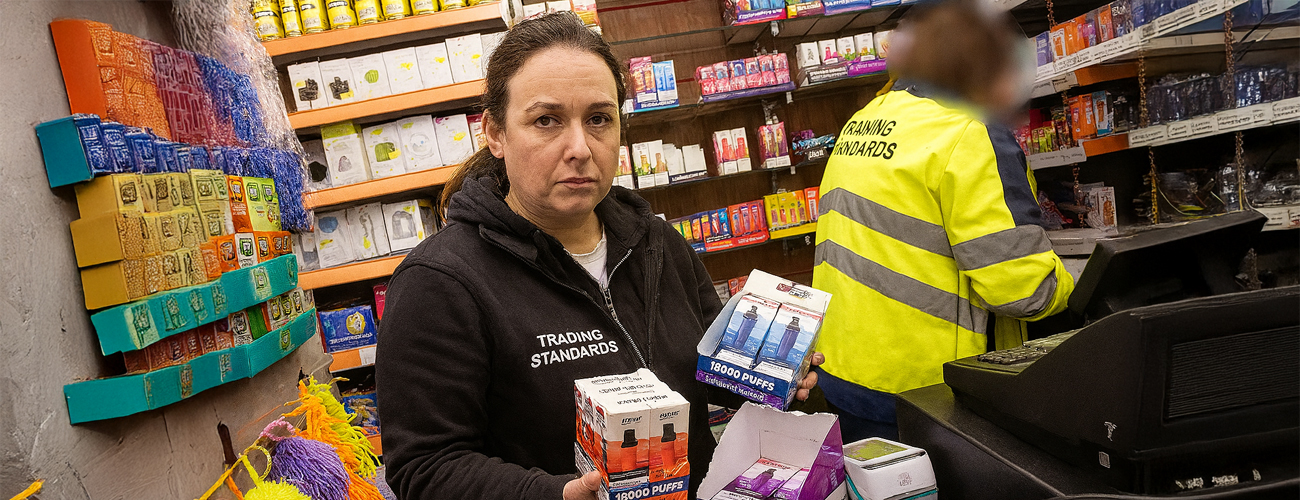
The company is urging ministers to introduce a national retail licensing scheme, strengthen Trading Standards enforcement, and invest in education and sustainable vaping alternatives.
“These findings should serve as a wake-up call to the government,” said Jamie Strachan, operations director at VPZ. “The public has spoken, and the message is loud and clear – this ban is not being enforced properly, and its intended outcomes are falling short.”
He added: “Without a clear enforcement strategy and robust regulation, the ban risks doing more harm than good. It creates a dangerous vacuum where illicit sellers thrive, enforcement is inconsistent, and consumers – especially young people – are left exposed to unregulated and potentially unsafe products.”
‘The current path is failing’
Strachan stressed that the issue goes beyond the ban itself. “This is not just about banning a product. It’s about protecting public health, safeguarding our environment, and building a regulated vaping industry that delivers real harm reduction. The current path is failing. The time to act is now.”
Earlier this month, a separate poll commissioned by Yorkshire Cancer Research found that nearly one in five (18 per cent) disposable vape users say they will return to smoking following the ban.
The charity is urging the government to ensure that vaping remains accessible and affordable for those trying to quit smoking. This, it says, is particularly important in disadvantaged communities where disposables are often relied on due to cost or unstable housing.
“We must ensure that the transition away from disposable vapes does not lead to an increase in smoking,” said Dr Stuart Griffiths, Director of Research, Policy and Impact at Yorkshire Cancer Research.
“It’s crucial that people are provided with the best possible support and tools to move from smoking to less harmful alternatives.”
Dr Griffiths added that disposable vapes can serve as a vital resource for people on low incomes. “Many simply cannot afford the upfront cost of a reusable vape kit or struggle to keep a device charged if they don’t have consistent access to power,” he said.