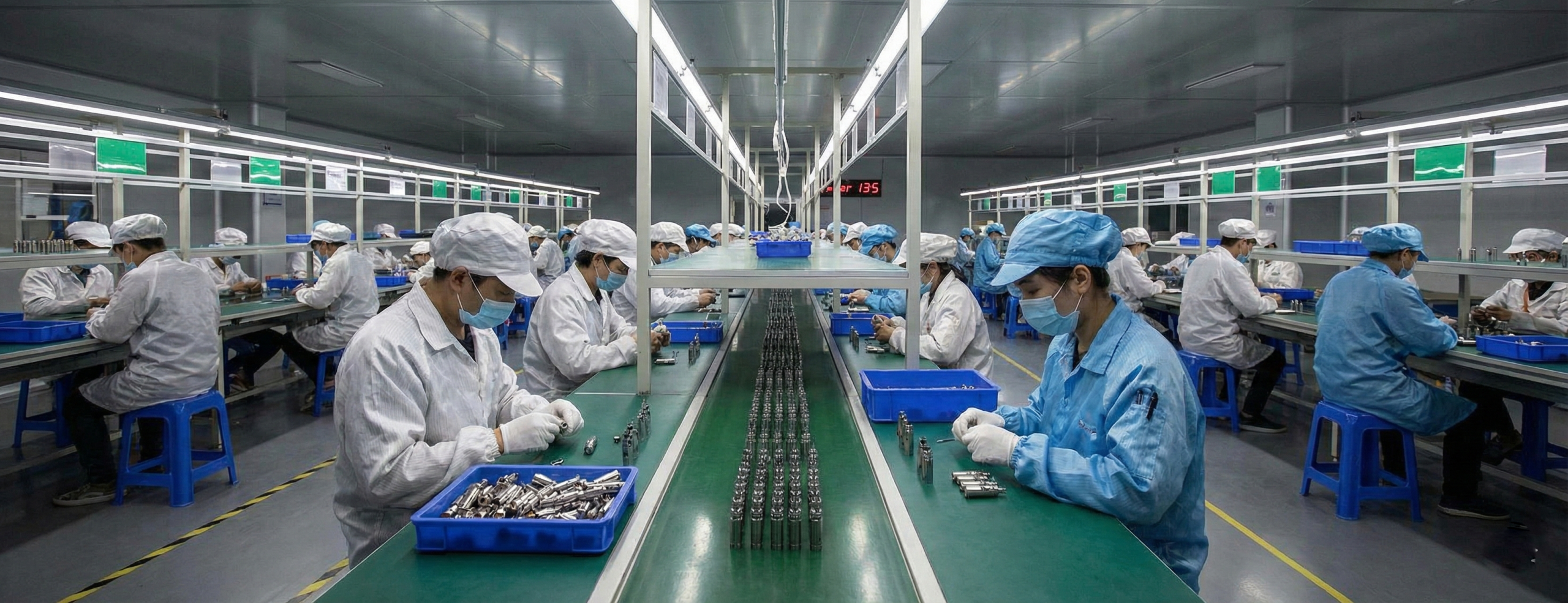
The largest vape manufacturers in China, where almost all of vaping hardware is manufactured, have issued a joint letter – seen by Clearing the Air and posted to social media – indicating their intention to raise export prices by up to 13%.
The letter, signed by the Electronic Cigarette Chamber of Commerce (China) Secretariat, states that China will “eliminate the 13% export tax rebate for e-cigarette products”. This, combined with “significant increases in raw materials costs across the supply chain, rising compliance costs due to tightening global regulations, and the persistently low average gross profit margins among e-cigarette manufacturers” have spurred the need for Chinese suppliers to take action.
As a result, the 34 members of ECCC unanimously agreed to “reasonably adjust export prices based on cost and policy changes, thereby sustaining viable operations, and preserving the quality of the products”. According to the ECCC website, the combined production capacity of the 34 companies in question accounts for over 80% of China’s total e-cigarette manufacturing capacity.
International buyers, however, were skeptical of the letter
“It’s complete nonsense”, said one major importer, who asked to remain anonymous. “It’s true that the Chinese Government is no longer accepting input tax reimbursements, but that will not lead to a 13% cost increase for manufacturers”.
ECCC justifies the increase partly on increased regulation, saying on its website that “continuously rising compliance requirements leading to significant increases in enterprises’ related certification, testing, and tax expenditure”.
But regulatory experts in the US and Europe questioned this logic
“Neither EU nor US regulations on vapes have changed much in over a decade”, said Damien Bove, CEO of Adact Medical, a laboratory and regulatory services company in the UK. “Devices are largely exempt anyway”, he continued. “Increased regulation in 2016 is a flimsy excuse for a co-ordinated price raid in 2026”.
Consumers – who will likely be hit by price increases rippling through the supply chain – reacted with dismay.
“Higher prices are always bad news for those most affected — the consumers” said Michael Landl, of the World Vapers Alliance. “After years of high inflation and rising costs caused by excessive taxation and regulation of less harmful alternatives, this is yet another blow. It’s people on lower incomes, who also have the highest smoking rates, who suffer the most” he said.