A new study has found that almost half of the vapes sold across Europe come from irregular sources, highlighting the scale of the illicit and grey market for the products.
Researchers from the Fraunhofer Institute for Integrated Circuits IIS say around 48 per cent of the EU’s vape market comes from irregular trade, worth an estimated €6.6 billion.
The analysis – which examined supply chains, trade flows and customs data – is the first attempt to systematically map the irregular vape market across Europe.
The researchers said: “For the first time, we have succeeded in systematically mapping the irregular market for e-cigarettes in Europe-based on trade and supply chain analyses, customs statistics, and market segmentation.”
Billions of euros in irregular trade
According to the study, irregular products include grey and black market vapes that break tax rules, fail to meet labelling requirements or cannot be traced back to their origin.
Of the irregular market identified by the researchers, 35 per cent is linked to illegal trade, while around 13 per cent consists of private imports of untaxed or unapproved products.
Researchers estimate the irregular market currently represents €6.6 billion in sales across Europe, but warn it is continuing to expand. The study forecasts the market could reach €10.8 billion by 2030 if current trends continue.
China dominates the supply chain
The study also examined where the products entering the European market originate. Researchers found that around 90 per cent of irregular vapes entering Europe come from China, with the southern city of Shenzhen playing a central role in manufacturing.
The researchers said: “Our analyses show that around 90 percent of e-cigarettes for Europe originate from China.”
According to the study, around 72 per cent of Chinese vape production takes place in Shenzhen, while 70 per cent of device manufacturers are based there.
Once imported into the EU, shipments often pass through major logistics hubs before being distributed across the continent.
Germany, the Netherlands and Belgium were identified as key distribution centres where goods arriving from Asia are transferred onto trucks and moved across internal EU borders.
Parcel shipments creating enforcement challenges
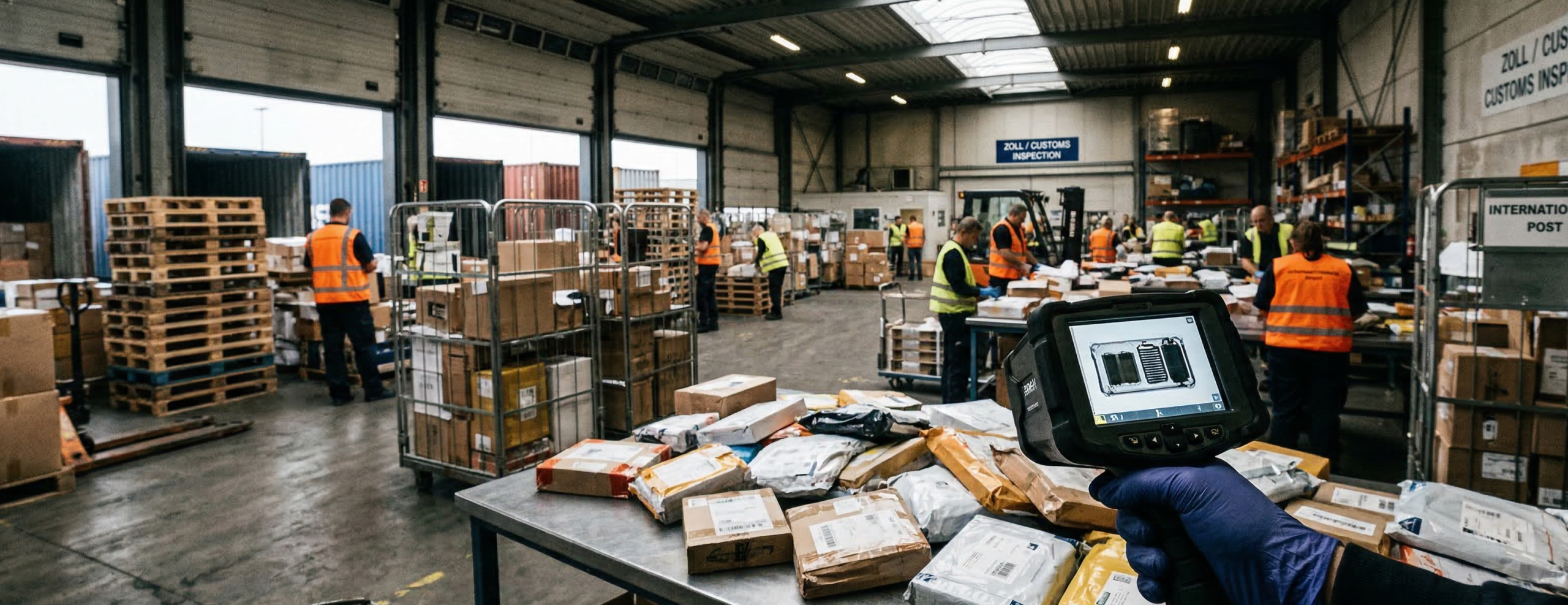
The researchers said the sheer volume of international parcels entering Europe is making enforcement increasingly difficult. According to data cited in the study, around twelve million parcels arrived in the EU every day last year, significantly more than in previous years.
Many consumers are also increasingly ordering vape products directly from overseas sellers online, the report notes.
Lost tax revenue and pressure on legal retailers
The growth of irregular trade has financial consequences for governments and legal businesses, the researchers warn. In Germany alone, the study estimates that tax losses linked to irregular vape sales reached around €119 million in 2024.
Horst Manner-Romberg, managing director of MRU Beratungs- und Verlagsgesellschaft, which collaborated on the research, said irregular products undermine consumer protections.
He said: “E-cigarettes from irregular sources circumvent consumer protection, quality controls, and are extremely profitable for manufacturers.” He added that price differences between EU countries can create incentives for smuggling and cross-border re-imports.
Logistics networks under pressure
The report also highlights the role of global shipping networks in enabling the flow of irregular products into Europe.
Rico Back, managing partner of SKR AG, the logistics consultancy that commissioned the study, said the scale of shipments means customs authorities cannot realistically inspect every parcel.
He said: “Vape products reach the EU in standard packages. What looks like harmless shipments adds up to a shadow market worth billions.” Back added: “No customs authority in the world can check millions of packages without fail every day.”
Researchers warn bans could expand illicit trade
The study argues that outright bans on vapes could unintentionally increase illegal trade by pushing consumers towards unregulated supply channels.
The authors warn that removing legal distribution channels entirely could shift demand further into the illicit market.
Instead, they recommend improving product definitions, creating digital tracking systems for supply chains and strengthening cooperation with countries of origin to improve oversight of global shipments.
The study was carried out by the Fraunhofer Institute for Integrated Circuits IIS in cooperation with MRU GmbH and commissioned by SKR AG to analyse the size, structure and economic impact of the irregular vape market in Europe.